LASIK

If you’ve been relying on glasses or contact lenses to see clearly, you understand the daily inconvenience they bring to your life. At Pacific ClearVision Institute, we specialize in advanced laser vision correction that can dramatically reduce or eliminate your dependence on corrective eyewear. Our experienced ophthalmologists use cutting-edge technology to deliver precise, personalized treatments that help you achieve your visual goals with confidence and clarity.
Understanding LASIK
LASIK is a surgical procedure that uses an excimer laser to correct nearsightedness, farsightedness, and astigmatism by reshaping your cornea. The procedure begins with the creation of a thin corneal flap using a laser, which is then gently folded back to expose the underlying tissue. This outer layer remains attached to your eye on a small hinge, allowing for precise treatment of the corneal tissue beneath.
Once the flap is created, the excimer laser carefully reshapes the cornea to correct your specific refractive error. The laser has been calibrated precisely to deliver the exact treatment your eye needs, using highly controlled pulses that remove microscopic amounts of tissue. After the reshaping is complete, the flap is repositioned and naturally adheres without requiring stitches. The entire laser portion typically takes less than two minutes per eye, while the complete procedure for both eyes generally takes less than 25 minutes.
Your Vision Correction Options Explained
While LASIK remains the most popular laser vision correction procedure, it’s not the only option available to you. We offer a comprehensive range of vision correction solutions to address your unique visual needs and corneal characteristics. Understanding the differences between these procedures helps you make an informed decision about which approach best aligns with your eye health, lifestyle, and visual goals.
PRK
Photorefractive Keratectomy provides an excellent alternative when LASIK isn’t suitable due to thinner corneas or certain corneal irregularities. Unlike LASIK, this surface ablation approach removes the thin outer epithelial layer rather than creating a flap, allowing the excimer laser to directly reshape the corneal surface. While visual recovery takes several weeks to a few months compared to LASIK’s rapid results, the long-term outcomes are comparable, and PRK may be the safer option for patients with specific corneal characteristics or those in professions where eye trauma is a concern.
ICLs
The Implantable Collamer Lens offers a completely different approach for individuals with high prescriptions or thin corneas who aren’t suitable candidates for laser-based procedures. Rather than reshaping your cornea, this procedure involves the permanent implantation of a biocompatible lens inside your eye, positioned between the iris and natural lens. The Collamer material is soft, flexible, and highly compatible with your eye’s natural environment, offering UV protection while remaining reversible if your vision needs change, making it an attractive option for younger patients with severe myopia.
Refractive Lens Exchange
Custom Lens Replacement works differently from the other procedures by replacing your natural lens with an artificial intraocular lens, similar to cataract surgery, but performed for vision correction. This procedure is particularly beneficial for individuals over 40 experiencing presbyopia or those with high degrees of refractive error that exceed the safe treatment range for laser procedures. By addressing refractive errors while simultaneously preventing future cataract development, this approach provides a comprehensive solution that can correct both distance and near vision depending on the type of intraocular lens selected.

Your Journey to Clearer Vision
Comprehensive Eye Evaluation
Your path to clearer vision begins with a comprehensive evaluation to determine which vision correction procedure is most suitable for your unique needs. We’ll assess your corneal health, thickness, and shape using advanced imaging technology, along with a dilated examination to identify any conditions that might affect your eligibility for LASIK, PRK, ICLs, or lens exchange. During this visit, we’ll discuss your visual objectives, lifestyle needs, age-related considerations, and prescription strength to recommend the most appropriate procedure for achieving your visual goals.
Personalized Treatment Planning
Once we determine your candidacy and preferred procedure, we’ll create a personalized treatment plan tailored specifically to your eyes and chosen approach. For laser-based procedures like LASIK and PRK, sophisticated diagnostic equipment maps your cornea in precise detail, while ICL and lens exchange candidates receive measurements to determine the appropriate lens size and power. We’ll review the specific procedure recommended for you, explain how it differs from other options, discuss the timeline for surgery and recovery, and answer any questions you have about the process ahead.
The Procedure Day
On the day of your procedure, the treatment approach varies based on which vision correction method you’ve chosen. For LASIK and PRK, you’ll receive numbing eye drops and be positioned comfortably while the excimer laser reshapes your cornea, with the main difference being whether a flap is created or the surface layer is removed. ICL procedures involve inserting a folded lens through a small corneal incision and positioning it behind your iris, while lens exchange removes your natural lens and replaces it with an artificial intraocular lens customized to your visual needs.
Post-Procedure Care
Following your procedure, you’ll receive detailed instructions about caring for your eyes during the healing period, which varies depending on your specific treatment. LASIK patients typically keep their eyes closed for six hours post-procedure, while PRK patients wear a bandage contact lens for several days as the epithelial layer regenerates. All procedures require prescribed eye drops to prevent infection and control inflammation, along with avoiding eye makeup and protecting your eyes from trauma during the initial healing phase.
Ongoing Monitoring and Support
Your post-operative care schedule depends on which procedure you’ve undergone and your individual healing response. LASIK patients often see dramatic improvement within 24 hours, while PRK recovery is more gradual over several weeks, and ICL or lens exchange patients typically notice significant vision improvement within a few days. Additional follow-up appointments are typically scheduled at one week, one month, and three to six months to monitor your healing progress and visual stability, with most individuals reaching stable vision around the three-month mark regardless of the procedure type.

How many LASIK procedures have our doctors performed?
LASIK surgery is one of the safest most commonly performed elective surgeries in the United States. Additionally, PCVI’s LASIK surgeons, have performed over 20,000 LASIK procedures so our doctors definitely know LASIK. Rest easy, your eyes are in expert and caring hands should you decide to have LASIK.
How you live your life is as important to us as it is to you. Your care is crafted for you as an individual; your lifestyle and time are just as meaningful to us as treating your condition.
For additional questions schedule your LASIK evaluation or call us today.

Why Choose Our Approach to Vision Correction
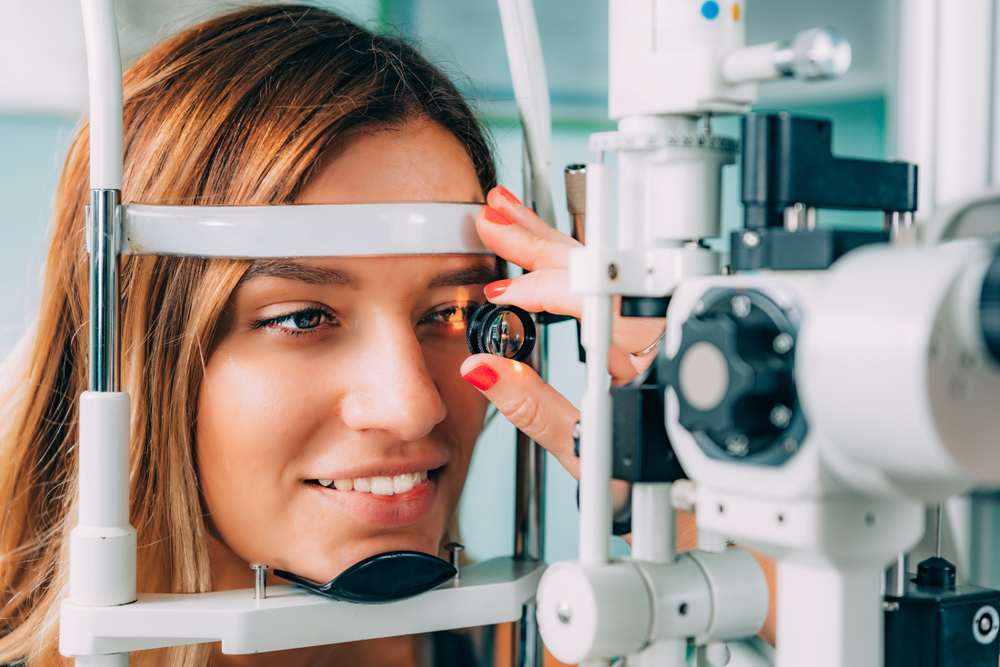
Pacific ClearVision Institute brings together experienced board-certified ophthalmologists, advanced diagnostic technology, and a patient-centered approach to deliver outstanding vision correction outcomes. Our surgeons have performed thousands of procedures and maintain a commitment to staying current with the latest advancements in refractive surgery techniques and technologies..
Our dedication to personalized treatment means we take the time to understand your unique visual goals and concerns before recommending a specific approach.. We believe that achieving a clearer vision should be a collaborative journey, and we’re committed to supporting you every step of the way with honest guidance and exceptional surgical expertise.
Finally Find Out What Life Would Look Like with Perfect Eyesight!
Your vision impacts every aspect of your daily life, from work productivity to recreational activities and personal confidence. Our laser vision correction procedures offer a proven path to reducing or eliminating your dependence on glasses and contacts, giving you the freedom to enjoy life with clearer, sharper vision. Whether you’re interested in traditional LASIK, PRK, ICLs, or refractive lens exchange, Pacific ClearVision Institute has the expertise and technology to help you achieve your visual goals.
Take the first step toward visual freedom by scheduling your comprehensive consultation with our experienced ophthalmologists today. Connect with us at 541-343-5000 to book your appointment, or follow us on Facebook and Instagram to learn more about patient experiences and the latest advances in vision correction technology. We look forward to helping you discover what life looks like through clearer eyes.
FAQs
What is LASIK eye surgery?
LASIK eye surgery is a laser-based procedure that corrects refractive errors by reshaping the cornea to improve how light focuses on your retina. During the procedure, a thin flap is created in the outer layers of your cornea, folded back, and an excimer laser precisely removes microscopic amounts of tissue to achieve the desired correction. The flap is then repositioned and naturally adheres without stitches, allowing for rapid healing and quick visual recovery.
How long does LASIK last?
LASIK provides permanent correction of your refractive error at the time of surgery, with most patients experiencing stable vision for many years or decades. However, your eyes naturally continue aging after the procedure, which means you may develop presbyopia around age 40-45, requiring reading glasses for close-up tasks. Additionally, some patients may experience minor vision changes over time unrelated to the LASIK procedure itself, though the vast majority maintain excellent distance vision long-term.
Is LASIK safe?
LASIK is considered a very safe procedure with a strong track record spanning decades and millions of successful treatments worldwide. While all surgical procedures carry some risk, serious complications are rare when performed by experienced surgeons using modern technology and proper patient screening. The most common side effects include temporary dryness and seeing halos around lights at night, which typically diminish over several weeks or months as your eyes heal.
Can LASIK fix astigmatism?
Yes, LASIK effectively corrects astigmatism along with nearsightedness and farsightedness by reshaping the cornea into a more regular, spherical shape. The excimer laser is programmed with precise measurements of your astigmatism, allowing it to remove tissue in a customized pattern that addresses both the irregular curvature and other refractive errors simultaneously. Most patients with astigmatism achieve significant improvement and often eliminate their need for corrective lenses after the procedure.
Does LASIK hurt?
LASIK itself is not painful because numbing eye drops are applied before the procedure begins, preventing you from feeling any discomfort during the treatment. Some patients experience slight pressure when the instrument is placed on the eye to keep it stable, but this sensation is temporary and brief. After the procedure, your eyes may feel scratchy or irritated for several hours, though this discomfort is typically mild and manageable with over-the-counter pain relievers like Tylenol if needed.