

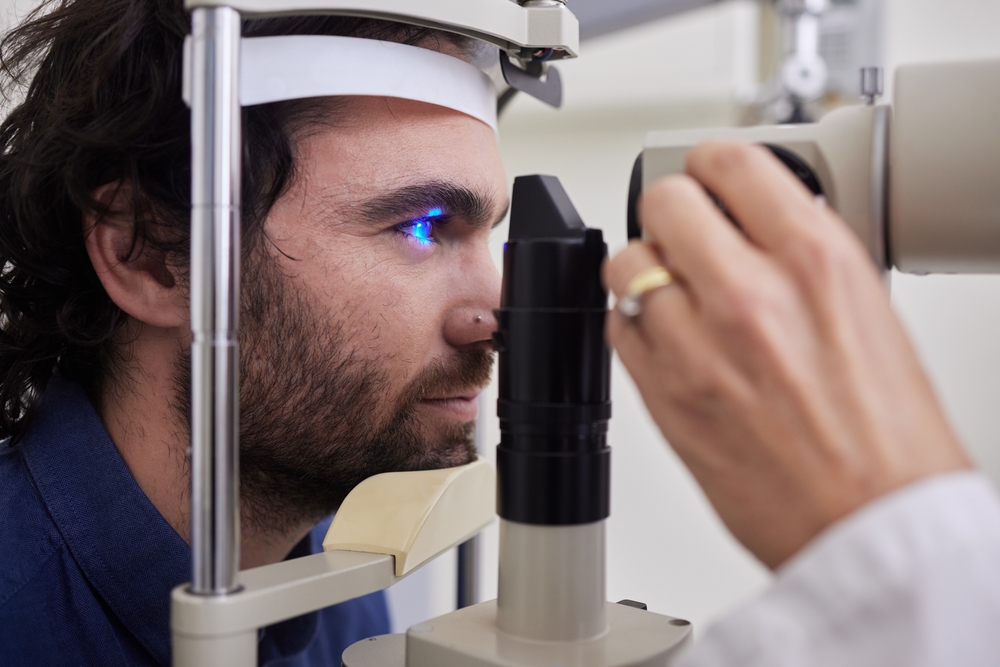
Ocular Rosacea
Red, burning eyes that feel gritty and irritated can make even simple tasks feel overwhelming. If you’re experiencing persistent eye discomfort along with facial redness, ocular rosacea might be affecting your vision and quality of life. At Pacific ClearVision Institute, our ophthalmology team specializes in identifying and treating this chronic inflammatory condition that impacts both your eyelids and eye surface. We take time to understand your specific symptoms and triggers, creating personalized treatment plans that provide real relief. You don’t have to accept constant eye irritation as normal, effective solutions are available to help you see clearly and feel comfortable again.
Understanding Ocular Rosacea
Ocular rosacea is an inflammatory condition that affects your eyes and eyelids, often occurring alongside facial rosacea. This chronic condition causes inflammation of the eyelids, conjunctiva, and tear film, leading to uncomfortable symptoms that can interfere with your vision and daily activities. Your eyes may feel constantly irritated, as if there’s something in them that you can’t remove.
The condition develops when the oil glands in your eyelids become inflamed and blocked, disrupting the healthy tear film that protects your eyes. This disruption creates a cycle of inflammation that worsens without proper treatment. Many people don’t realize their eye problems stem from rosacea until they receive a proper diagnosis from an eye care specialist who recognizes the distinctive signs.
Benefits of Ocular Rosacea Care
Treating ocular rosacea does more than calm redness for a day. The sections below cover five ways treatment can protect your eyes, support your daily life, and help you feel like yourself again.
Reduced Eye Inflammation and Redness
Treatment significantly decreases the inflammation that causes your eyes to appear bloodshot and feel uncomfortable. You’ll notice less redness in both your eyelids and the white part of your eyes as the inflammatory response calms down. With consistent management, your eyes will look clearer and feel more comfortable throughout the day, allowing you to engage in activities without constant irritation.
Untreated Inflammation Affects the Eyelids and Eye Surface
Researchers who study ocular rosacea note that eyelid and eye surface inflammation are its most common features. This shows why calming inflammation is central to managing the condition, not just a side benefit.
Clinical & Experimental Ophthalmology, Tavassoli M, et al., “Ocular Manifestations of Rosacea: A Clinical Review,” 2021
Improved Tear Film Stability
Managing ocular rosacea helps restore the natural balance of your tear film, which protects and lubricates your eyes. When your oil glands function properly, tears don’t evaporate as quickly, keeping your eyes comfortably moist. This improvement means you’ll experience less dryness and won’t need to reach for artificial tears as frequently throughout your day.
Tear Film Problems Can Leave Eyes Dry and Gritty
The American Academy of Dermatology notes that treating eye symptoms tied to rosacea helps keep eyes from feeling dry and gritty. This shows why tear film support is a real part of managing the condition, not just added comfort.
“Treatment can also prevent your eyes from feeling dry and gritty.”
American Academy of Dermatology, “Do You Have to Treat Rosacea?”
Prevention of Vision Complications
Early and effective treatment prevents the progression of ocular rosacea that could potentially affect your cornea and vision. By addressing inflammation before it causes serious damage, you protect your long-term eye health. Regular monitoring and treatment ensure that any changes are caught early, preserving your clear vision for years to come.
Untreated Cases Can Threaten Your Eyesight
The National Rosacea Society reports that while ocular rosacea is usually mild and irritating, without proper care it can become debilitating. Treated before it reaches that stage, the condition is far more controllable.
“…the condition may be easily controlled if diagnosed and treated before it becomes severe.”
National Rosacea Society, Rosacea Review, “Ocular Rosacea Can Threaten Sight”
Increased Productivity and Focus
Managing your ocular rosacea symptoms allows you to work efficiently without the distraction of burning or stinging eyes. Computer work, reading documents, and attending meetings become easier when your eyes aren’t constantly bothering you. You’ll spend less time addressing eye discomfort and more time accomplishing your professional and personal goals with clarity and concentration.
Untreated Symptoms Can Affect Your Work
A peer-reviewed review of rosacea’s impact on patients found that symptoms can interfere with work performance. This shows that managing your symptoms can support your ability to work, not just your comfort.
American Health & Drug Benefits, Huynh TT, “Burden of Disease: The Psychosocial Impact of Rosacea on a Patient’s Quality of Life,” 2013
Restored Confidence in Social Settings
Controlling the visible signs of ocular rosacea means your eyes will appear brighter and healthier during social interactions and important events. You won’t feel self-conscious about red, watery eyes when meeting with friends, colleagues, or family members. Effective management helps you present yourself confidently, knowing that your eye condition is under control and won’t interfere with making positive impressions.
Untreated Symptoms Can Affect Your Confidence
A national survey found that a majority of rosacea patients reported lower self-esteem and embarrassment tied to their symptoms. This shows that managing visible symptoms can support your emotional well-being too.
“75% reported low self-esteem, 70% felt embarrassed”
Clinical, Cosmetic and Investigational Dermatology, Alzahrani NA, et al., “Impact of Rosacea on the Quality of Life: A Population-Based Cross-Sectional Study,” 2025, citing a National Rosacea Society survey

Risks of Delaying Ocular Rosacea Treatment
Ocular rosacea does not go away on its own, and waiting to treat it lets inflammation, dryness, and irritation build over time. The benefits above only come with treatment that starts before the condition progresses. The sections below cover what can happen if treatment is delayed and how PCVI addresses each concern.
Financial Risk of Waiting on Treatment
Ocular rosacea is a long-term condition, and leaving it untreated often means paying for eye care again and again as symptoms return. Acting sooner can help you avoid these repeat costs over time. PCVI is in network with most insurance plans and offers financing options like CareCredit to help you get started now.
Health Risk of Untreated Ocular Rosacea
Ocular rosacea that goes untreated can damage the cornea, the clear surface at the front of your eye, and this damage can lead to scarring or vision loss that cannot be undone. The sooner treatment starts, the more of your vision you protect. PCVI uses diagnostic technology to track how your eyes respond and adjusts your treatment plan based on those results.
Safety Risk of Untreated Eye Inflammation
Untreated eyelid inflammation from ocular rosacea can raise your risk of eye infection, and this risk grows the longer treatment is delayed. Starting care now helps protect the surface of your eye before problems develop. PCVI offers same-week appointments, so you do not have to wait long to get evaluated and start care.

Why Choose Our Solutions for Ocular Rosacea
Our ophthalmology team at Pacific ClearVision Institute brings specialized training in managing inflammatory eye conditions that many general practitioners overlook or misdiagnose. We understand that ocular rosacea requires more than basic eye drops, it demands a comprehensive approach that addresses inflammation at its source while managing your daily symptoms effectively. You’ll receive individualized attention from professionals who listen to your concerns and adjust treatments based on how your eyes respond, not just generic protocols.
We use diagnostic technology that reveals the specific patterns of inflammation affecting your eyelids and tear glands, allowing us to target treatment precisely where you need it most. Our commitment extends beyond prescribing medication; we educate you about trigger management and self-care techniques that give you control over your condition between appointments.
Start Seeing Relief From Eye Irritation
If red, burning eyes are disrupting your work and personal life, an accurate diagnosis makes all the difference in finding relief. Contact Pacific ClearVision Institute today at 541-343-5000 to schedule your ocular rosacea evaluation and discover what’s causing your persistent eye symptoms. We offer same-week appointments so you can stop wondering and start addressing the inflammation directly with treatments that actually work. Stay connected with us on Facebook and Instagram for weekly eye health updates and patient questions answered by our ophthalmology team.
FAQs
What is ocular rosacea?
Ocular rosacea is a chronic inflammatory condition affecting your eyes and eyelids that often accompanies facial rosacea, though it can occur independently. The condition causes inflammation of the eyelids, tear glands, and eye surface, leading to redness, irritation, and discomfort. Visually, ocular rosacea appears as red, swollen eyelids with visible blood vessels, bloodshot eyes, and sometimes crusty debris along the lash line, giving your eyes a persistently tired and irritated appearance.
How to treat ocular rosacea?
Treatment typically involves a combination of daily eyelid hygiene, warm compresses, and prescription medications such as oral antibiotics or anti-inflammatory drops. Your ophthalmologist may recommend omega-3 supplements, artificial tears, and specific cleaning solutions to manage oil gland dysfunction. Identifying and avoiding personal triggers like spicy foods, alcohol, or temperature extremes is equally important for long-term symptom control and preventing flare-ups.
What is the cause of ocular rosacea?
The exact cause remains unclear, but ocular rosacea involves a combination of genetic factors, immune system responses, and environmental influences that create chronic inflammation. Dysfunction of the meibomian glands in your eyelids plays a significant role, as these glands fail to produce adequate oils for a healthy tear film. Bacteria on the skin and eyelids may also contribute to the inflammatory response that characterizes this condition.
What triggers ocular rosacea?
Common triggers include hot beverages, spicy foods, alcohol, extreme temperatures, wind, sun exposure, and stress that can worsen inflammation and symptoms. Certain skincare products, especially those containing fragrances or harsh ingredients, may irritate your eyes and trigger flare-ups. Individual triggers vary from person to person, so tracking your symptoms helps identify which specific factors affect your condition most significantly.
Is ocular rosacea an autoimmune disease?
Ocular rosacea is not classified as an autoimmune disease, though it does involve inflammatory processes that affect your eyes and eyelids. The condition results from a complex interaction of genetic predisposition, environmental factors, and inflammatory responses rather than your immune system attacking your own tissues. However, the chronic inflammation associated with ocular rosacea shares some characteristics with immune-mediated conditions, which is why anti-inflammatory treatments prove effective.