
Glaucoma is often called the “silent thief of sight” because it can damage your vision without warning signs until significant loss has already occurred. As the second leading cause of blindness worldwide, this progressive eye disease requires expert attention and consistent monitoring to preserve your sight. Pacific ClearVision Institute offers comprehensive glaucoma management that combines advanced laser treatments, innovative medication implants, and personalized care strategies. Our experienced ophthalmologists work closely with you to detect changes early, lower eye pressure effectively, and protect your vision for the long term through proven treatment options tailored to your specific needs.
Glaucoma
Understanding Glaucoma
Glaucoma is a progressive eye disease that damages the optic nerve, which carries visual information from your eye to your brain. This damage typically occurs when fluid builds up in the front part of your eye, creating increased pressure that affects the delicate nerve fibers. The key to preventing vision loss is early detection and consistent monitoring every four to six months. When caught early and managed properly, glaucoma can be controlled effectively, allowing you to maintain your vision and quality of life.
Two main types of glaucoma affect patients differently. Primary open-angle glaucoma develops gradually over time when the eye’s drainage system doesn’t work efficiently, causing pressure to build slowly. Angle closure glaucoma is more severe and occurs when the iris blocks the drainage angle of the eye, which can lead to a sudden attack with symptoms like severe eye pain, headaches, nausea, and rapid vision loss. If you experience these sudden symptoms, it’s critical to seek immediate medical attention to prevent permanent damage.

Advanced Glaucoma Treatment Options
Direct Selective Laser Trabeculoplasty (D-SLT)
Direct selective laser trabeculoplasty offers a streamlined and comfortable approach to reducing eye pressure by increasing fluid outflow from your eye. This quick procedure takes less than a minute and requires only numbing eyedrops, an eyelid opener, and your focus on a fixation light. There’s no contact lens or eye gel involved, which means you can drive and return to your normal activities immediately after treatment. D-SLT works as an excellent initial therapy option, especially if you experience side effects from eyedrops, have difficulty remembering or applying them, or are experiencing progression despite other treatments.
G6 Laser
The G6 laser provides another effective option for lowering eye pressure by reducing fluid production inside your eye. After numbing your eye, the three-minute laser treatment can potentially reduce or eliminate your need for daily glaucoma eyedrops. This procedure can be performed during cataract surgery or as a standalone treatment. Because it requires mild sedation, you’ll need to avoid eating the morning of your procedure and plan to rest at home for eight to twelve hours afterward to ensure proper recovery.
DURYSTA™ Implants
DURYSTA is a biodegradable implant that delivers bimatoprost medication continuously after being placed inside your eye during a brief procedure lasting less than one minute. This innovative approach eliminates the daily hassle of eyedrops while providing consistent medication delivery. The implant typically lasts for approximately one year before naturally dissolving, making it an excellent option for patients who struggle with medication adherence or prefer a more convenient treatment approach.
iDose Implants
iDose represents a breakthrough in long-term glaucoma management, offering sustained medication delivery for three years and potentially longer. This surgically placed implant releases travoprost medication in tiny, controlled doses directly into your eye, maintaining consistent eye pressure control. By bypassing the tear film that can dilute traditional eyedrops, iDose provides more effective medication absorption with minimal recovery time. This minimally invasive option significantly reduces your medication burden and the need for frequent doctor visits for refills, making glaucoma management simpler and more convenient.
What treatments are available?
Different kinds respond differently to different treatments, so your doctor will decide which form of treatment is best for you.
First-line care generally involves laser treatment or eyedrops. Most individuals undergoing laser treatment in the eye experience a significant reduction of eye pressure for 2-3 years. The effect can wear off, but the treatment can be repeated. PCVI is happy to be able to offer direct selective laser trabeculoplasty (D-SLT), which allows physicians to provide their patients with a streamlined and comfortable approach by increasing fluid outflow.
Read More
With just numbing eyedrops, an eyelid opener, and having the patient look at a fixation light, D-SLT laser is performed in less than a minute. There is no contact lens or eye gel involved, so patients can drive and resume normal activities immediately after the laser. D-SLT can be used for initial therapy for patients who have side effects from eyedrops or have difficulty putting them in or remembering them, or for patients who are having glaucoma progression despite other treatments.
The G6 laser is another laser option, which involves numbing the eye followed by a 3-minute laser treatment that reduces fluid production inside the eye, thereby lowering eye pressure. This potentially can reduce the need for eyedrops for glaucoma, and can be done at the time of cataract surgery or separately from cataract surgery. It does require mild sedation, so patients should not eat the morning of the laser and rest at home for at least 8 to 12 hours after treatment.
Medication implants for glaucoma include Durysta and iDose. Durysta is a biodegradable implant delivering medicine called bimatoprost after being placed inside the eye with a brief (<1 minute) procedure. It generally lasts for a year at a time. iDose is a surgically placed implant that delivers a medicine called travoprost, lasting for 3 years.
iDose for Glaucoma Treatment
Glaucoma affects millions worldwide. It’s a condition that damages the optic nerve, often due to increased pressure in the eye. Fortunately, early detection and treatment can help prevent vision loss. iDose is emerging as a promising option for glaucoma patients seeking a minimally invasive treatment.
What is iDose?
iDose is a microdosing implant that delivers tiny, controlled doses of medication directly into the eye over 3 years and potentially longer. This targeted approach aims to reduce intraocular pressure (IOP), the main culprit behind glaucoma damage. Unlike traditional eye drops, which can be inconvenient and have limited efficacy, iDose offers a potentially more consistent and long-lasting treatment option.

Risks of Delaying Glaucoma Treatment
Glaucoma does not pause while you wait. It keeps progressing quietly, and delaying treatment raises real risk across three parts of your life: your finances, your health, and your safety. The good news is that most of these risks can be avoided with timely, consistent care. Understanding what is at stake can help you feel more confident about starting treatment sooner rather than later.
The Cost of Waiting
Untreated glaucoma often requires more complex and expensive care down the road. Acting early keeps your treatment options simple and more affordable.
“Glaucoma costs the US economy $2.86 billion every year in direct costs and productivity losses.”
Centers for Disease Control and Prevention
Vision Loss Can Affect Your Income
Struggling to see clearly can make it harder to work, drive, or stay independent on the job. Getting treated early helps protect your sight and your ability to earn a living.
“Treatment won’t undo any damage to your vision, but it can stop it from getting worse.”
National Eye Institute, National Institutes of Health
Glaucoma Raises the Risk of Falls and Driving Accidents
Vision changes from glaucoma can affect awareness and reaction time on the road or at home.
“There is an increased risk of falls and MVCs in patients with glaucoma”
Investigative Ophthalmology & Visual Science (IOVS), peer-reviewed journal
Why Choose Us for Glaucoma
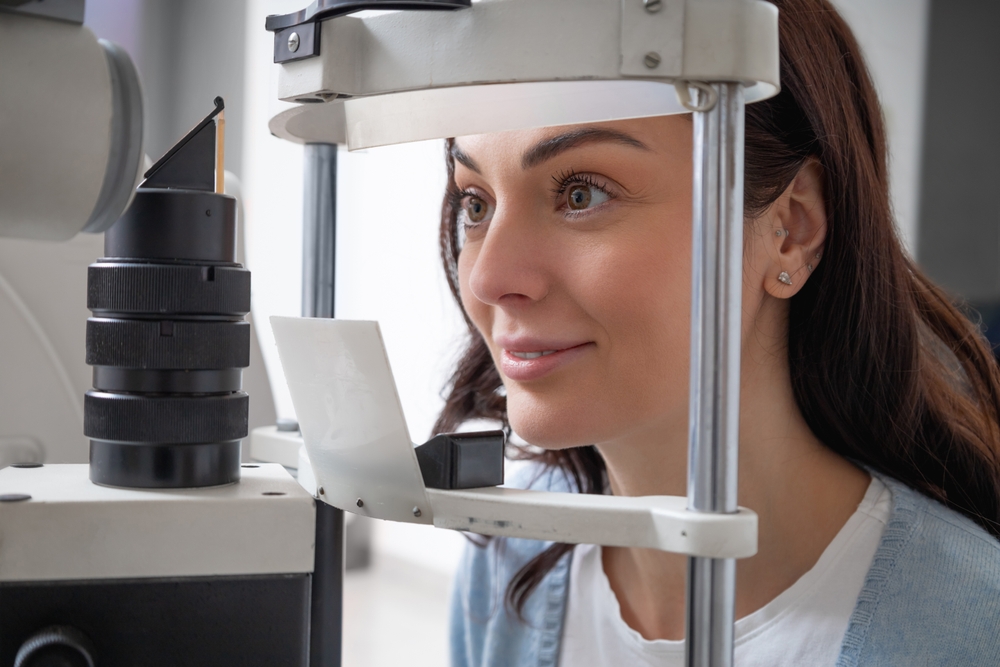
At Pacific ClearVision Institute, we combine advanced technology with compassionate care to deliver exceptional glaucoma management. Our experienced ophthalmologists stay current with the latest treatment innovations, giving you access to cutting-edge options like D-SLT, G6 laser, DURYSTA, and iDose implants. We understand that each patient’s glaucoma is unique, which is why we take time to thoroughly explain your condition and involve you in treatment decisions.
Our commitment extends beyond just treating your eye pressure; we focus on preserving your vision and maintaining your independence. We understand that managing a chronic condition can feel overwhelming, so we strive to make your experience as convenient and stress-free as possible. From same-day treatment options to long-lasting implants that reduce the burden of medication, we offer solutions that fit your lifestyle. When you choose us for your glaucoma care, you are choosing a team that genuinely cares about your long-term eye health and quality of life.
Benefits of iDose for Glaucoma
- Reduced Medication Burden: iDose eliminates the need for frequent eye drop application, improving treatment adherence and reducing the risk of missed doses.
- Improved Treatment Efficacy: By delivering medication directly into the eye, iDose bypasses the tear film, potentially leading to more effective medication absorption.
- Long-lasting Effect: iDose provides sustained medication delivery for several months, minimizing the need for frequent doctor visits for refills.
- Minimally Invasive Procedure: iDose insertion is a relatively painless outpatient procedure with minimal recovery time.
Why choose iDose?
Ophthalmologists at PCVI are experienced in cutting-edge glaucoma treatments. Here are some reasons to consider iDose:
- Access to Qualified Ophthalmologists: PCVI has multiple doctors on site who stay updated on the latest treatment options, including iDose. They can assess your individual needs and determine if iDose is right for you.
- Focus on Patient Care: Our healthcare providers prioritize patient comfort and education. They will thoroughly explain the iDose procedure and answer any questions you may have.
- Potential Cost-Effectiveness: While iDose itself may have an upfront cost, it could reduce long-term healthcare expenses associated with frequent doctor visits and medication refills.

Is iDose right for you?
If you’re diagnosed with glaucoma and are looking for alternative treatment options beyond eye drops, iDose might be a suitable choice. Here’s how to determine if it’s right for you:
- Consult With An Ophthalmologist: Schedule an appointment with us to discuss your unique management plan. Our doctors can assess the severity of your condition and determine if iDose is an appropriate option.
- Consider Your Needs: Discuss the pros and cons of iDose with your doctor. iDose may not be suitable for everyone, and other factors like your lifestyle and medication adherence may influence the decision.
- Explore All Your Options: Our ophthalmologists can explain various treatments during your consultation.
By taking a proactive approach, you can significantly reduce the risk of vision loss. Explore iDose as a potential treatment option and discuss it with your ophthalmologist to determine if it’s the right approach for your eye health journey. Remember, early detection and treatment are crucial for maintaining healthy vision and preventing unnecessary complications.
If you’re interested in learning more about iDose for treatment, we would be happy to discuss this life-changing procedure with you. Give us a call today!
If a laser is ineffective or is not the right treatment, a glaucoma surgery called a “goniotomy” or “trabeculectomy” are potential next steps in lowering the eye pressure that involves increasing the filtration and fluid outflow from the eye.

Take Control of Glaucoma and Protect Your Vision Today
Glaucoma may be a chronic condition, but it doesn’t have to steal your independence or quality of life. Pacific ClearVision Institute offers the advanced treatments and ongoing monitoring you need to stay ahead of vision loss. We invite you to join our growing community on Facebook and Instagram for helpful tips, treatment updates, and inspiration from others successfully managing their glaucoma. Ready to get started? Connect with us in whatever way works best for you, schedule online at your convenience or call our practice at 541-343-5000 to speak with our knowledgeable staff.
FAQs
What is glaucoma?
Glaucoma is a progressive eye disease that damages the optic nerve, which carries visual information from your eye to your brain, typically due to increased pressure inside the eye. From the outside, glaucoma doesn’t have visible signs, your eyes look completely normal, which is why it’s often called the “silent thief of sight.” The damage occurs internally and gradually, affecting your peripheral vision first before progressing to central vision if left untreated. Early detection through regular comprehensive eye exams is crucial because by the time you notice vision changes, significant irreversible damage has already occurred.
What causes glaucoma?
Glaucoma develops when fluid in the front part of your eye doesn’t drain properly, leading to increased intraocular pressure that damages the optic nerve over time. In primary open-angle glaucoma, the drainage system becomes less efficient gradually, while angle-closure glaucoma occurs when the iris blocks the drainage angle partially or completely. Risk factors include age over 60, family history, certain medical conditions like diabetes and high blood pressure, previous eye injuries, and prolonged use of corticosteroid medications. Some people develop glaucoma even with normal eye pressure, indicating other factors, like poor blood flow to the optic nerve, may contribute to the disease.
Is glaucoma hereditary?
Yes, glaucoma has a strong hereditary component, and having a family history significantly increases your risk of developing the disease. If you have a parent or sibling with glaucoma, your risk is four to nine times higher than someone without a family history. The genetic link is particularly strong for primary open-angle glaucoma, the most common form of the disease. This is why we strongly recommend regular comprehensive eye exams if glaucoma runs in your family, ideally starting in your 30s or 40s rather than waiting until you’re older or notice symptoms.
Can glaucoma be cured?
Glaucoma cannot be cured, but it can be successfully managed and controlled to prevent further vision loss when detected early and treated consistently. The goal of all glaucoma treatments, whether eyedrops, laser procedures, or surgical implants, is to lower eye pressure and protect the optic nerve from additional damage. Any vision loss that has already occurred before treatment cannot be restored, which is why early detection is so critical. With proper management through regular monitoring every four to six months and appropriate treatment, most people with glaucoma maintain functional vision throughout their lives.
How to prevent glaucoma?
While you cannot completely prevent glaucoma, especially if you have genetic risk factors, you can take steps to catch it early and reduce your risk of progression. Get comprehensive eye exams regularly, every one to two years if you’re over 40, annually if you have risk factors, and every four to six months if you’ve been diagnosed. Maintain a healthy lifestyle with regular exercise, which can help lower eye pressure naturally, and protect your eyes from injuries by wearing appropriate safety eyewear. Control underlying health conditions like diabetes and high blood pressure, avoid smoking, and limit caffeine intake, as these factors can affect your eye pressure and overall eye health.