Dry Macular Degeneration
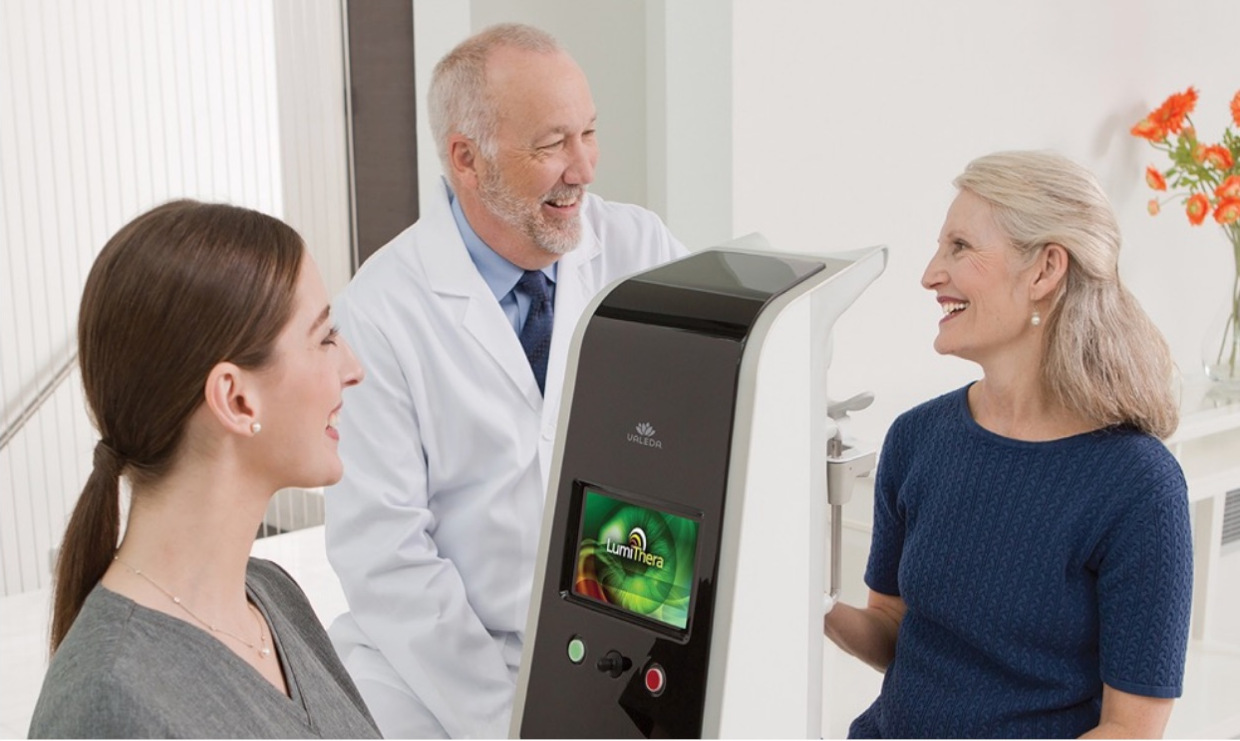
Dry macular degeneration affects millions of people and can significantly impact your daily activities, from reading to recognizing faces. At Pacific ClearVision Institute, we understand how concerning vision changes can be, which is why we’re committed to providing advanced treatment options. Our team now offers innovative therapies, including the FDA-approved Valeda light device, to help preserve and even improve your vision when you’re dealing with this progressive eye condition.
Understanding Dry Macular Degeneration
Dry macular degeneration, also called dry age-related macular degeneration or AMD, occurs when the macula, the central part of your retina responsible for sharp, detailed vision, gradually deteriorates. This happens as small deposits called drusen build up beneath the retina, damaging the light-sensitive cells needed for central vision. Unlike the wet form of AMD, this condition develops slowly and does not involve abnormal blood vessel growth or fluid leakage.
The condition often begins with subtle vision changes that you may not notice right away. You may experience slightly blurred central vision, trouble adapting to low light, or the need for brighter lighting when reading. As it progresses, these symptoms can become more noticeable and make detailed tasks harder. Early detection and proactive management can help slow progression and support your quality of life.
Benefits of Dry Macular Degeneration Treatment
Preservation of Your Central Vision
Treating dry macular degeneration helps protect the vision you still have, which is crucial for maintaining independence. Our treatment approaches focus on slowing the progression of drusen accumulation and supporting the health of your retinal cells. By addressing this condition early, you can continue enjoying activities like reading, driving, and spending time with loved ones without significant visual limitations.
Vision Loss Can Take Away Your Independence
The National Eye Institute explains that losing vision can make daily activities harder and put a person’s independence at risk. This is one reason protecting the vision you still have matters, not just for sight, but for daily safety and freedom.
“Blindness and low vision can lead to loss of independence and reduced quality of life”
National Eye Institute (NEI), National Institutes of Health (NIH), “Vision Loss from Eye Diseases Will Increase as Americans Age”
Reduction in Drusen Deposits
Advanced light therapy treatments like the Valeda device specifically target drusen, those harmful deposits under your retina that damage healthy cells. Clinical studies show this innovative approach can effectively reduce drusen and improve retinal cell health. This reduction means less toxic buildup affecting your macula, which directly translates to better visual outcomes and a lower risk of progression to more severe forms of AMD.
More Drusen Raises Your Long-Term Risk
The CDC explains that having many large drusen deposits increases the chance of developing more advanced forms of AMD. This is why reducing drusen buildup is tied directly to protecting your long-term eye health.
“Having many large drusen raises the risk of developing advanced dry AMD or wet AMD”
Centers for Disease Control and Prevention (CDC), Vision and Eye Health, “About Common Eye Disorders and Diseases”
Improved Visual Acuity
Many patients experience actual improvement in their vision with appropriate treatment, not just stabilization. In clinical trials for light therapy, 60% of patients improved by one line on the vision chart, and about 20% improved by two lines. These improvements can make a meaningful difference in your daily life, helping you see more clearly and comfortably for the activities that matter most to you.
Clinical Data Shows Real Vision Gains Are Possible
A peer-reviewed study of light therapy for dry AMD found that treated patients met the study’s main goal for vision improvement. This shows the benefit was measured in a clinical trial, not just claimed.
“met the primary efficacy best-corrected visual acuity endpoint”
Retina, Boyer D, et al., “LIGHTSITE III: 13-Month Efficacy and Safety Evaluation of Multiwavelength Photobiomodulation in Nonexudative (Dry) Age-Related Macular Degeneration,” 2024
Lower Risk of Geographic Atrophy
Geographic atrophy represents a severe, advanced stage of dry macular degeneration that causes permanent vision loss in the affected areas. Light therapy has demonstrated remarkable success in preventing this progression, reducing the risk of developing geographic atrophy by more than 75% over two years. This protection is invaluable because once geographic atrophy develops, the vision loss in those areas cannot be recovered.
Waiting Raises the Risk of Permanent Vision Loss
Researchers who studied this light therapy found it lowered the risk of patients developing geographic atrophy, the stage of AMD where vision loss cannot be reversed. This finding points to why starting treatment before this stage matters.
“Significant Reduction in Risk for Vision Loss and Onset of Geographic Atrophy”
Investigative Ophthalmology & Visual Science (IOVS), ARVO Journals, Schneiderman T, et al., “Photobiomodulation Using the Valeda Multiwavelength Light Delivery System Demonstrates Significant Reduction in Risk for Vision Loss and Onset of Geographic Atrophy in Dry Age-Related Macular Degeneration,” 2024
Non-Invasive Treatment Options
Unlike treatments for wet macular degeneration that require frequent eye injections, dry macular degeneration therapies can be much more comfortable. Light therapy is performed in the office without needles, takes only about seven minutes per session, and requires no activity restrictions afterward. You can return to your normal routine immediately, including eating normally and continuing your regular activities without concern.
Treatment Without the Risks of Needles or Surgery
Researchers note this light therapy was the first approved treatment of its kind for early and intermediate dry AMD that does not require injections. This matters for patients who want an effective option without the added risks that come with invasive procedures.
“the first approved treatment for early/intermediate stages of dry age-related macular degeneration”
Ophthalmology and Therapy, Küçükerdönmez C, Tedford SE, “Multiwavelength Photobiomodulation Improves Multiple Aspects of Visual Function in Early-Stage Dry Age-Related Macular Degeneration,” 2025

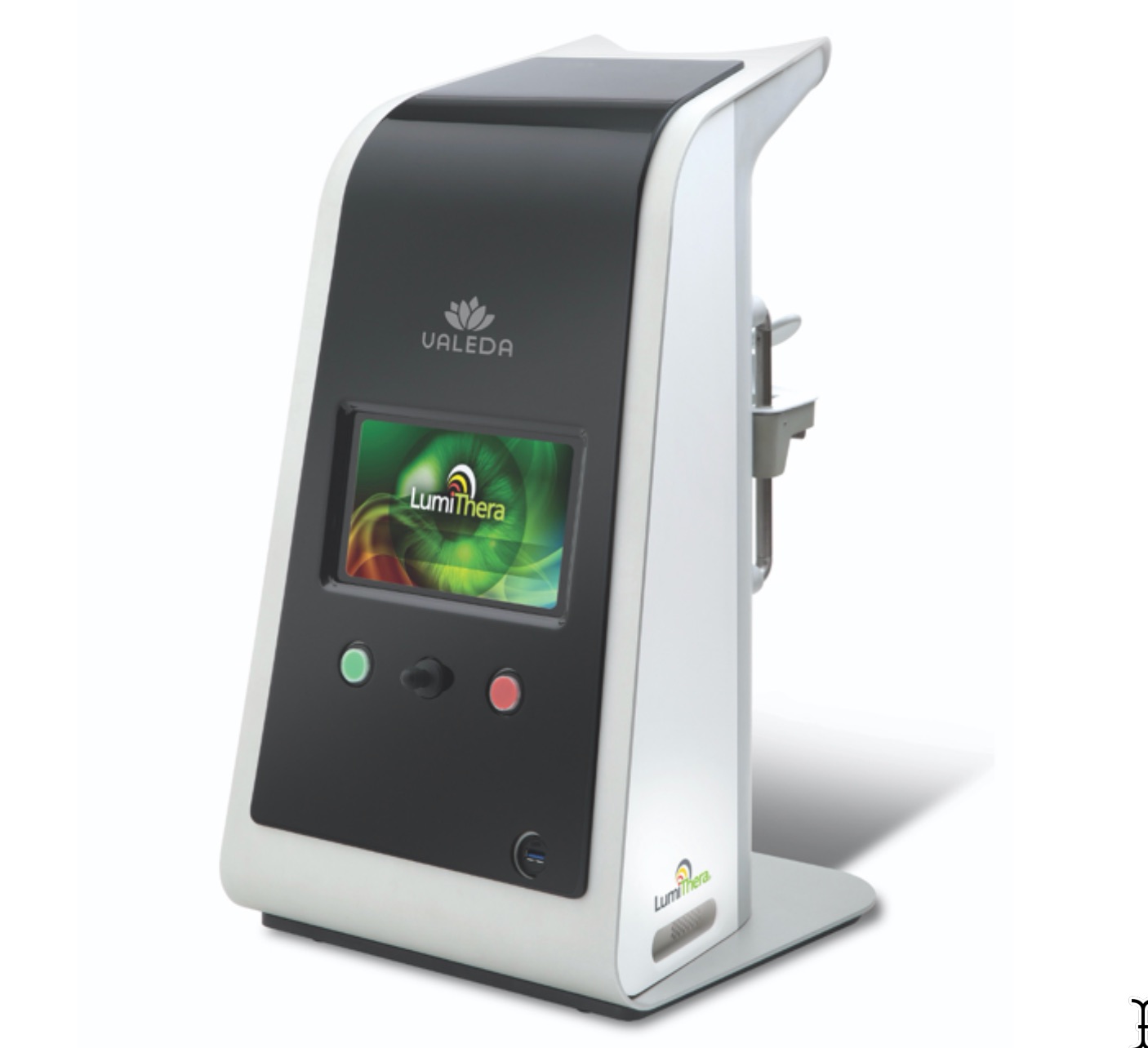
This new device uses light therapy to reduce drusen (the deposits of debris under the retina that can be toxic to retinal cells) and improve the health of the cells of the retina. It is indicated for patients who have dry macular degeneration and vision that is 20/30 or worse. It should not be used for patients with wet macular degeneration, epilepsy, sensitivity to yellow or red light, or light-triggered migraines. In the US clinical trial that enabled approval, 60% of patients improved 1 line of vision and about 20% of patients improved 2 lines of vision. Further, over 2years, it reduced risk of development of geographic atrophy (a severe form of AMD) by more than 75%.

The Risks of Delaying Dry Macular Degeneration Care
What Sets Our Approach to Dry Macular Degeneration Apart
Pacific ClearVision Institute is proud to be among the first practices in our region to offer the FDA-approved Valeda light therapy system for treating dry macular degeneration. This represents a truly remarkable advancement in ophthalmology, the first effective treatment option that doesn’t rely solely on nutritional supplements to slow progression. Our commitment to bringing cutting-edge technology to our patients means you have access to the latest innovations that can make a real difference in preserving and potentially improving your vision.
Our experienced team understands the anxiety and frustration that comes with a macular degeneration diagnosis. We take time to listen to your concerns, explain your options clearly, and partner with you throughout your treatment experience. From your initial evaluation through ongoing care, we’re dedicated to providing compassionate, expert support that helps you maintain the vision you need for the life you want to live.
Your Clearer Tomorrow Starts Today!
Don’t let dry macular degeneration limit your life when effective treatment is available. The innovative therapies we offer at Pacific ClearVision Institute can help reduce drusen deposits, improve retinal health, and potentially enhance your vision—all without injections or significant disruption to your daily routine. Our team is ready to evaluate your condition and discuss whether light therapy or other treatment approaches are right for you.
Take the first step toward protecting your precious eyesight by scheduling a comprehensive consultation with us today. Connect with Pacific ClearVision Institute by calling us at 541-343-5000 or following our practice on Facebook and Instagram to stay informed about the latest advances in macular degeneration care. Your vision is worth protecting, and we’re here to help you see your best for years to come.

FAQs
What is dry macular degeneration?
Dry macular degeneration is a common eye condition affecting the macula, the central portion of your retina responsible for sharp, detailed central vision. It occurs when small yellow deposits called drusen accumulate under the retina, causing the macular tissue to thin and deteriorate over time. This form of age-related macular degeneration accounts for approximately 80-90% of all AMD cases and typically progresses more slowly than the wet form.
What is the difference between wet and dry macular degeneration?
Dry macular degeneration involves the gradual accumulation of drusen deposits and thinning of macular tissue without abnormal blood vessel growth or fluid leakage. Wet macular degeneration occurs when abnormal blood vessels grow beneath the retina, leaking fluid and blood that can cause rapid and severe vision loss. While wet macular degeneration is generally worse because it progresses much faster and causes more dramatic vision changes, both conditions require professional monitoring and appropriate treatment to preserve your vision.
What causes dry macular degeneration?
The exact cause of dry macular degeneration isn’t fully understood, but age is the most significant risk factor for developing this condition. Genetic factors play an important role, and you’re more likely to develop AMD if family members have had it. Additional contributing factors include smoking, high blood pressure, obesity, prolonged sun exposure, and a diet low in nutrients that support eye health like omega-3 fatty acids and antioxidants.
Can dry macular degeneration be reversed?
Dry macular degeneration cannot be completely reversed, but innovative treatments like the Valeda light therapy system can reduce drusen deposits and improve retinal cell health. Many patients actually experience vision improvement rather than just stabilization, with clinical trials showing 60% of patients improving by one line of vision. While we cannot restore the macula to its original condition before AMD developed, we can often slow or halt progression and in many cases enhance visual function.
Can dry macular degeneration turn into wet?
Yes, dry macular degeneration can progress to the wet form, which is why regular monitoring by your eye care professional is essential. Approximately 10-15% of people with dry AMD will eventually develop wet macular degeneration in one or both eyes. However, treatments like light therapy have shown remarkable success in reducing this risk—clinical studies demonstrate a reduction in progression to advanced AMD forms, including geographic atrophy, by more than 75% over two years.
How fast does dry macular degeneration progress?
The progression rate of dry macular degeneration varies significantly from person to person and depends on multiple factors including genetics, lifestyle, and overall health. Some people experience very slow progression over many years with minimal vision changes, while others may progress more quickly through the stages. Early-stage dry AMD might remain stable for years, but without treatment and monitoring, it can advance to intermediate or advanced stages that significantly impact your central vision and daily activities.