LASIK in Portland, Oregon
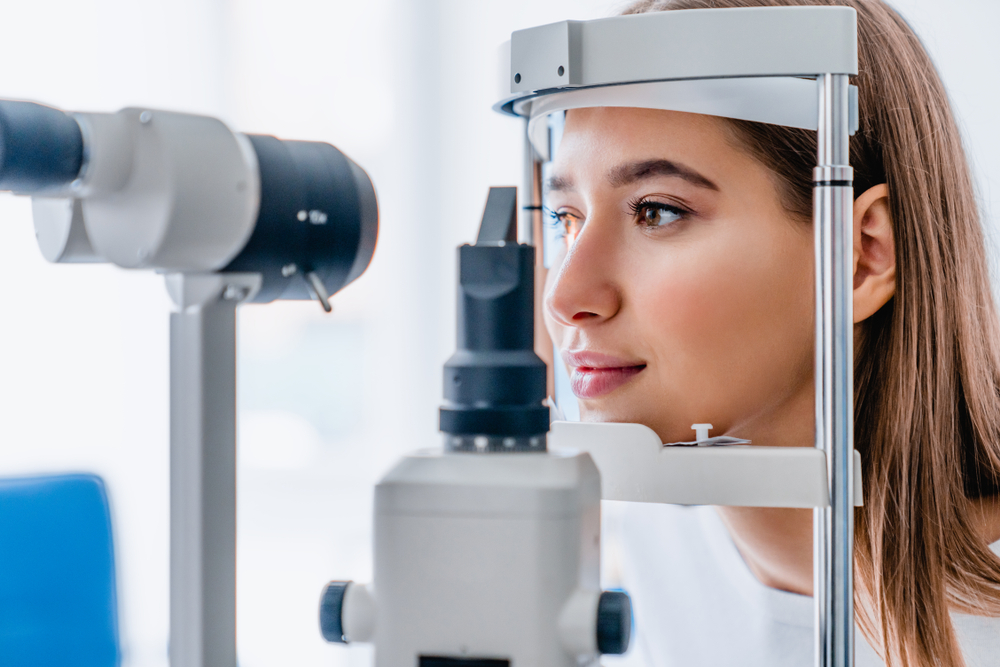
If you’re considering LASIK in Portland, Oregon, Pacific ClearVision Institute can help reduce your dependence on glasses and contact lenses. Our skilled ophthalmology team combines years of surgical expertise with state-of-the-art diagnostic technology to deliver exceptional patient care and outstanding visual outcomes. We understand that choosing laser vision correction is a significant decision, so we take the time to review your eye care history, discuss your lifestyle needs, and create a personalized treatment plan designed specifically for your eyes.
Understanding LASIK
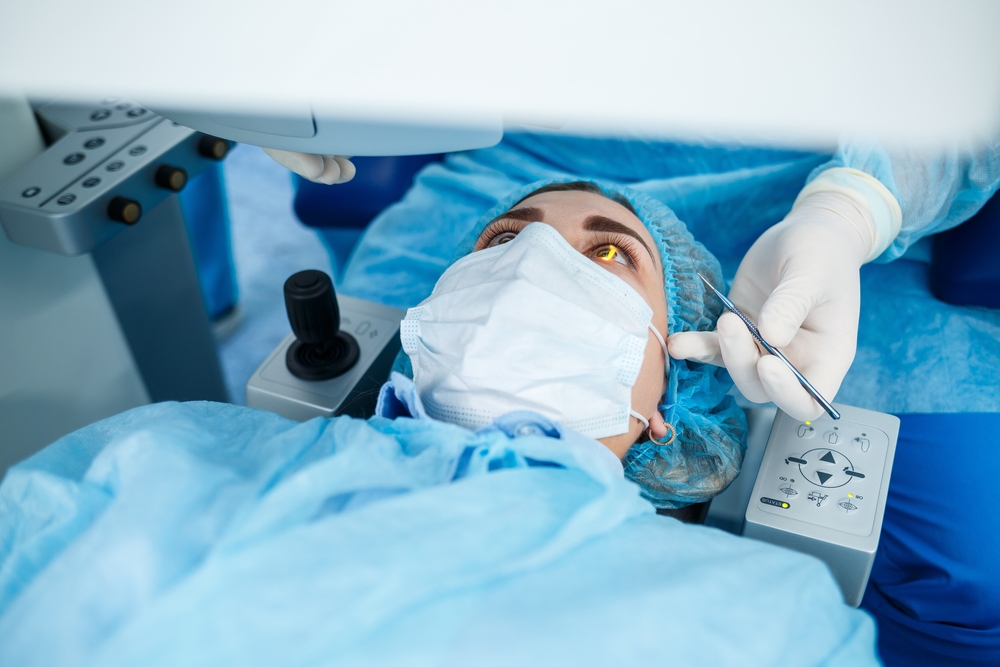
LASIK stands as a widely recognized vision correction procedure that addresses refractive disorders by permanently altering corneal shape through controlled laser application. The treatment works by targeting the cornea’s curvature, allowing light to focus accurately on your retina for improved clarity. When you have nearsightedness, farsightedness, or astigmatism, light doesn’t focus properly on your retina, causing blurred vision that LASIK corrects by precisely removing microscopic amounts of corneal tissue.
Many people choose LASIK to eliminate the ongoing inconvenience and lifetime expenses associated with glasses and contact lenses. Beyond the financial savings from not purchasing corrective eyewear year after year, patients appreciate the freedom to participate fully in sports, swimming, and outdoor activities without visual barriers. Others seek LASIK because contact lenses cause persistent discomfort or because their prescription limits their lens options. The procedure also appeals to those whose careers or hobbies make wearing glasses impractical, offering a permanent solution that enhances both visual clarity and quality of life.
Alternative Vision Correction Procedures
PRK
Photorefractive Keratectomy addresses vision correction needs without creating a corneal flap, making it particularly suitable when your cornea lacks sufficient depth for traditional LASIK. The procedure applies the excimer laser directly to your corneal surface after gently removing the epithelial layer, which regenerates naturally over several days under a protective bandage contact lens. Patients appreciate PRK’s enhanced corneal stability and reduced risk of flap-related complications, though vision recovery extends over a few weeks rather than days as the epithelium heals completely.
ICLs
The Implantable Collamer Lens serves patients whose prescription exceeds the safe correction range for laser procedures or those with corneal characteristics that make surface treatments inadvisable. During this surgical procedure, we position a soft, foldable lens crafted from collagen-infused material behind your iris but in front of your natural lens through a tiny incision. This approach preserves your natural corneal nerves and tissue structure while delivering exceptional visual outcomes, and the lens can be exchanged or removed if your vision needs change years later.
Refractive Lens Exchange
Custom Lens Replacement becomes the preferred choice when presbyopia already affects your near vision or when your prescription falls outside the optimal range for corneal reshaping procedures. We remove your eye’s natural lens and replace it with a carefully selected intraocular lens that corrects distance vision, near vision, or both, depending on which lens technology best matches your daily visual demands. This procedure simultaneously eliminates future cataract concerns since the artificial lens cannot develop cloudiness, offering a permanent solution that evolves with your aging eyes.
Small Incision Lenticule Extraction (SMILE)
SMILE employs an innovative single-laser technique that shapes a tiny disc of tissue deep within your cornea, then extracts it through an opening barely three millimeters wide. Unlike traditional methods, this flapless approach maintains the structural continuity of your cornea’s front surface, preserving biomechanical strength and minimizing disruption to corneal nerves that help maintain natural tear production. The streamlined treatment time and reduced tissue manipulation make SMILE especially appealing for patients concerned about post-procedure dryness or those whose active lifestyles demand maximum corneal resilience.
Risks of Delaying LASIK Treatment
Putting off LASIK does not pause the effects of poor vision. Waiting can affect your finances, your health, and your daily safety in ways that are easy to overlook.
Contacts and Glasses Add Up Over Time
Contact lens solution, replacement lenses, and yearly eye exams create ongoing costs that continue year after year. A one-time vision correction procedure can end up costing less than years of these recurring expenses.
Agency for Drugs and Technologies in Health
Uncorrected Vision Can Wear You Down
Straining to see clearly can lead to headaches, eye fatigue, and difficulty concentrating throughout your day. Addressing the underlying vision problem can help you avoid these daily symptoms.
“Eye strain (when your eyes feel tired or sore)”
National Eye Institute, National Institutes of Health
Blurry Vision Puts You at Risk in the Moment
A missing contact lens or a broken pair of glasses can leave you without clear vision exactly when you need it most, whether you’re driving or reacting quickly to something around you. Permanent vision correction removes that dependency altogether.
“Good vision is critical for safe driving performance.”
Cochrane Database of Systematic Reviews

What Sets Our Approach to LASIK Apart
Pacific ClearVision Institute combines surgical excellence with compassionate patient care, creating an environment where your comfort and safety remain our highest priorities. Our board-certified ophthalmologists possess extensive experience performing thousands of successful vision correction procedures using the most advanced laser technology available. We invest in comprehensive diagnostic equipment that allows us to map your cornea with exceptional precision, customizing each treatment to your unique eye structure.
Our commitment to patient satisfaction extends beyond the procedure itself. We take time to thoroughly explain your options, set realistic expectations, and ensure you feel informed and confident in your decision. From your initial consultation through long-term follow-up care, our team provides personalized attention and support. We maintain close collaboration with your existing eye care provider, fostering a team approach that prioritizes your ongoing Retina care and overall ocular health for years to come.
Wake Up Seeing Clearly After LASIK in Portland, Oregon!
Choosing LASIK in Portland, Oregon or other vision correction options is an investment in your quality of life, and selecting the right provider makes all the difference in your experience and results. Pacific ClearVision Institute delivers exceptional outcomes through a combination of advanced technology, surgical expertise, and a genuine dedication to each patient’s success. Our ophthalmology practice has helped countless individuals achieve visual freedom and greater confidence in their daily activities.
We invite you to schedule your comprehensive consultation and discover how LASIK can transform your vision. Contact us today at 541-343-5000 to speak with our knowledgeable team about your vision correction options. Follow us on Facebook and Instagram for patient success stories, helpful eye care tips, and updates about our practice. Take the first step toward clearer vision, call us now to book your appointment and begin your path to visual independence.
FAQs
What makes someone a good candidate for vision correction surgery?
Ideal candidates have stable prescriptions for at least one year, healthy corneas with adequate thickness, and realistic expectations about visual outcomes. Your overall eye health plays a crucial role, as conditions affecting the retina or corneal nerves may require alternative treatments. During your comprehensive evaluation, we assess multiple factors, including your patient’s eye care history, corneal shape, and refractive disorders, to determine which procedure best suits your needs.
How does LASIK compare to wearing contact lenses long-term?
While contact lenses require ongoing purchases, cleaning solutions, and replacement schedules that accumulate significant lifetime expenses, LASIK provides permanent vision correction through a one-time procedure. Contact lens wearers face increased risks of eye infections, corneal abrasions, and chronic dryness from daily wear. Vision correction surgery eliminates these concerns while freeing you from the daily routine of inserting, removing, and maintaining lenses.
What should I expect during the vision recovery period?
Most patients notice dramatic improvement within the first 24 hours as laser light pulses have already reshaped the cornea for clearer focus. Your vision continues refining over several weeks as healing progresses, with some fluctuation in clarity being completely normal during this stabilization phase. The treatment time itself is brief, but full patient satisfaction with visual outcome typically occurs around three months when your eyes have completely adapted.
Can LASIK correct astigmatism along with nearsightedness or farsightedness?
Modern diagnostic technologies allow us to map your cornea’s irregular shape caused by astigmatism and program the laser to correct multiple refractive disorders simultaneously. The same procedure that addresses nearsightedness or farsightedness also reshapes the cornea to eliminate astigmatic distortion. Most patients with combined refractive errors achieve excellent results, though severe astigmatism may benefit more from alternative procedures like ICLs or toric lens implants.
Will I still need reading glasses after LASIK?
LASIK primarily corrects distance vision, so patients over 40 typically still require reading glasses due to presbyopia, the natural age-related loss of near focusing ability. This occurs because the eye’s internal lens stiffens with age, which vision correction surgery doesn’t address since it only reshapes the cornea. Some patients choose monovision correction, where one eye focuses for distance and the other for reading, though Refractive Lens Exchange may better serve those seeking comprehensive near and far vision correction.