LASIK

If you’ve been relying on glasses or contact lenses to see clearly, you know how inconvenient they can be in daily life. At Pacific ClearVision Institute, we offer advanced LASIK treatment designed to reduce or eliminate your dependence on corrective eyewear. Our experienced ophthalmologists use modern technology to deliver precise, personalized care based on your vision needs and goals.
Understanding LASIK
LASIK is a surgical procedure that uses an excimer laser to correct nearsightedness, farsightedness, and astigmatism by reshaping your cornea. The procedure begins with the creation of a thin corneal flap using a laser, which is then gently folded back to expose the underlying tissue. This outer layer remains attached to your eye on a small hinge, allowing for precise treatment of the corneal tissue beneath.
Once the flap is created, the excimer laser carefully reshapes the cornea to correct your specific refractive error. The laser has been calibrated precisely to deliver the exact treatment your eye needs, using highly controlled pulses that remove microscopic amounts of tissue. After the reshaping is complete, the flap is repositioned and naturally adheres without requiring stitches. The entire laser portion typically takes less than two minutes per eye, while the complete procedure for both eyes generally takes less than 25 minutes.
Benefits of LASIK Vision Correction
LASIK reshapes the cornea to correct nearsightedness, farsightedness, and astigmatism, often reducing or removing the need for glasses and contacts. The panels below walk through how LASIK might benefit someone dealing with uncorrected vision.
Improved Vision and Reduced Dependence on Glasses or Contacts
When you rely on glasses or contacts, clear vision depends on a lens being in the right place at the right time. LASIK reshapes your cornea so your eye can focus light on its own, without a lens in the way. Many patients notice a clear improvement within a day of surgery. This can make daily tasks like driving, reading, and working on a screen easier without reaching for glasses first.
LASIK Patients Report High Rates of Vision Satisfaction
The FDA tracked patients before and after LASIK as part of a multi-year study on vision and quality of life. Most patients in the study were satisfied with their vision after surgery. This shows the benefit goes beyond convenience.
“More than 95% of participants were satisfied with their vision following LASIK surgery.”
U.S. Food and Drug Administration, “LASIK Quality of Life Collaboration Project,” FDA.gov, 2021
Quick Recovery and Minimal Downtime
LASIK is done as an outpatient procedure, and the laser portion typically takes less than 25 minutes for both eyes. Many patients notice improved vision within hours and return to most normal activities soon after. Recovery is often faster than with PRK, which involves a longer healing period for the eye’s surface. This shorter downtime matters if your schedule does not allow for weeks of recovery.
Most Side Effects Fade Within Days
It is normal to have some side effects right after LASIK. FDA guidance on LASIK recovery shows these symptoms typically ease quickly rather than over weeks. This is one reason LASIK recovery is shorter than with surface-based procedures like PRK.
“These symptoms should improve considerably within the first few days after surgery.”
U.S. Food and Drug Administration, “What Should I Expect Before, During, and After Surgery?” FDA.gov, 2018
Corrects Multiple Vision Problems in One Treatment
Nearsightedness, farsightedness, and astigmatism are three different vision problems. LASIK can often fix all three in one treatment. You do not need a different plan or a different lens for each one. Your doctor checks your eyes and builds one laser treatment around what you need.
LASIK Treats Three Vision Problems at Once
Harvard Medical School describes LASIK as one quick treatment for several common vision problems. Your plan does not change based on which conditions you have. One surgery can often treat all of them at once.
“It is a quick and relatively easy treatment for nearsightedness, farsightedness, and astigmatism.”
Harvard Health Publishing, Harvard Medical School, “What is LASIK?” 2023
Freedom for an Active Lifestyle
Glasses can slip or fog, and contacts can dry out or fall out during exercise, work, or travel. LASIK removes the need to manage either one during daily activities. This can help athletes, outdoor workers, or anyone who spends long hours away from a mirror or a contact lens case. Many patients say this convenience is one of the main reasons they chose LASIK.
Staying Active in Contacts Carries Real Risk
People with active routines often keep their contacts in through exercise, travel, and long days away from home, exactly the situations the CDC has studied for contact lens risk. Its research found that most wearers admit to at least one habit, like sleeping or swimming in their lenses, that raises the risk of eye infection. LASIK removes contacts entirely, so those everyday risks disappear along with the routine of managing them.
“More than 99 percent of survey respondents reported at least one risky behavior.”
Centers for Disease Control and Prevention, “Nearly All Contact Lens Wearers in National Survey Report Risky Eye Care Behaviors That Can Lead to Eye Infections,” CDC.gov, 2015
Corrects the Cause, Not Just the Symptom
LASIK uses a laser to reshape the front surface of your eye, the cornea, so light can focus correctly without extra help from a lens. The laser is guided by measurements taken from your own eye, so each treatment is planned around your specific prescription. This corrects the underlying shape of your eye, rather than simply covering up the blur with glasses or contacts.
LASIK Changes the Shape of the Cornea Itself
The National Eye Institute describes LASIK as a procedure that reshapes the cornea itself, rather than correcting light with an outside lens. This is part of why the results are meant to be permanent rather than something you put on each morning. It also means your treatment is planned around your own eye measurements, not a generic setting.
National Eye Institute, National Institutes of Health, “Surgery for Refractive Errors”

Risks of Delaying LASIK Treatment
Nearsightedness, farsightedness, and astigmatism do not usually get better on their own. Left untreated, they can affect your vision, your daily comfort, and how safely you handle everyday tasks like driving. Here’s a closer look at what that can mean for you.
The Cost of Waiting
Glasses and contact lenses come with a cost that continues year after year, from replacements to solution and exam fees. Waiting on treatment does not remove that ongoing expense, it just spreads it out over time. PCVI accepts CareCredit and the Alphaeon Credit Card, and the practice works with most insurance plans to help cover related costs.
How Delaying LASIK Can Affect Your Eye Health
Uncorrected vision problems do not go away on their own, and they tend to add strain to everyday tasks like reading, driving, and working on a screen. Some people delay treatment because they are unsure if their eyes are a good fit for surgery. PCVI reviews your cornea and overall eye health first, so you know whether LASIK is right for you before moving forward.
The Safety Impact of Uncorrected Vision
Blurry or uncorrected vision can make everyday moments, like driving at night or reacting quickly, feel less certain over time. That risk tends to grow the longer treatment is put off. PCVI’s board-certified ophthalmologists have performed more than 20,000 LASIK procedures since 1989, all within the practice’s own surgical center.

How many LASIK procedures have our doctors performed?
Laser vision correction is one of the most commonly performed elective procedures in the United States, with a strong safety record for qualified candidates. At PCVI, our surgeons have performed over 20,000 LASIK procedures, giving patients confidence that their care is guided by experience, precision, and careful planning.
How you live your life matters to us. Your treatment plan is built around your vision needs, lifestyle, schedule, and long-term goals, so your care feels personal from consultation to recovery.
For additional questions schedule your LASIK evaluation or call us today.

Why Choose Our Approach to Vision Correction
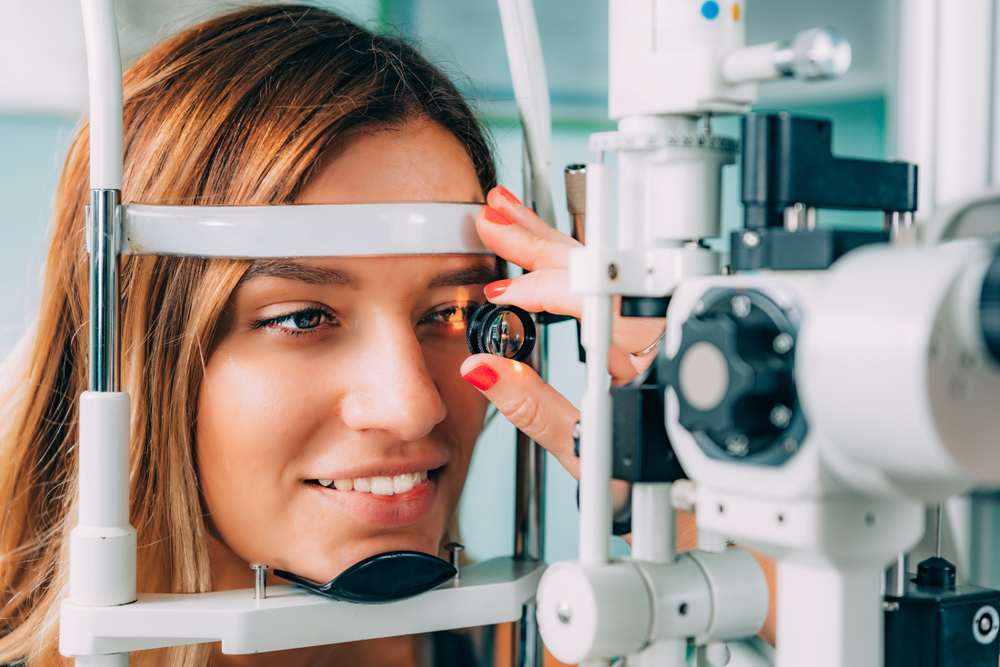
Pacific ClearVision Institute brings together experienced board-certified ophthalmologists, advanced diagnostic technology, and a patient-centered approach to deliver outstanding vision correction outcomes. Our surgeons have performed thousands of procedures and maintain a commitment to staying current with the latest advancements in refractive surgery techniques and technologies..
Our dedication to personalized treatment means we take the time to understand your unique visual goals and concerns before recommending a specific approach.. We believe that achieving a clearer vision should be a collaborative journey, and we’re committed to supporting you every step of the way with honest guidance and exceptional surgical expertise.
Finally Find Out What Life Would Look Like with Perfect Eyesight!
Your vision impacts every aspect of your daily life, from work productivity to recreational activities and personal confidence. Our laser vision correction procedures offer a proven path to reducing or eliminating your dependence on glasses and contacts, giving you the freedom to enjoy life with clearer, sharper vision. Whether you’re interested in traditional LASIK, PRK, ICLs, or refractive lens exchange, Pacific ClearVision Institute has the expertise and technology to help you achieve your visual goals.
Take the first step toward visual freedom by scheduling your comprehensive consultation with our experienced ophthalmologists today. Connect with us at 541-343-5000 to book your appointment, or follow us on Facebook and Instagram to learn more about patient experiences and the latest advances in vision correction technology. We look forward to helping you discover what life looks like through clearer eyes.
FAQs
What is LASIK eye surgery?
LASIK eye surgery is a laser-based procedure that corrects refractive errors by reshaping the cornea to improve how light focuses on your retina. During the procedure, a thin flap is created in the outer layers of your cornea, folded back, and an excimer laser precisely removes microscopic amounts of tissue to achieve the desired correction. The flap is then repositioned and naturally adheres without stitches, allowing for rapid healing and quick visual recovery.
How long does LASIK last?
LASIK provides permanent correction of your refractive error at the time of surgery, with most patients experiencing stable vision for many years or decades. However, your eyes naturally continue aging after the procedure, which means you may develop presbyopia around age 40-45, requiring reading glasses for close-up tasks. Additionally, some patients may experience minor vision changes over time unrelated to the LASIK procedure itself, though the vast majority maintain excellent distance vision long-term.
Is LASIK safe?
LASIK is considered a very safe procedure with a strong track record spanning decades and millions of successful treatments worldwide. While all surgical procedures carry some risk, serious complications are rare when performed by experienced surgeons using modern technology and proper patient screening. The most common side effects include temporary dryness and seeing halos around lights at night, which typically diminish over several weeks or months as your eyes heal.
Can LASIK fix astigmatism?
Yes, LASIK effectively corrects astigmatism along with nearsightedness and farsightedness by reshaping the cornea into a more regular, spherical shape. The excimer laser is programmed with precise measurements of your astigmatism, allowing it to remove tissue in a customized pattern that addresses both the irregular curvature and other refractive errors simultaneously. Most patients with astigmatism achieve significant improvement and often eliminate their need for corrective lenses after the procedure.
Does LASIK hurt?
LASIK itself is not painful because numbing eye drops are applied before the procedure begins, preventing you from feeling any discomfort during the treatment. Some patients experience slight pressure when the instrument is placed on the eye to keep it stable, but this sensation is temporary and brief. After the procedure, your eyes may feel scratchy or irritated for several hours, though this discomfort is typically mild and manageable with over-the-counter pain relievers like Tylenol if needed.