Eyelid Surgery
Eyelid problems affect more than just your appearance—they can obstruct your vision, cause daily discomfort, and interfere with activities you once took for granted. You might struggle to keep your eyes open, deal with constant irritation from inward-turning lashes, or feel self-conscious about drooping lids that make you look perpetually exhausted.
At Pacific ClearVision Institute, we specialize in surgical solutions that address both the functional and aesthetic concerns associated with eyelid conditions. Our team recognizes that each patient’s situation is unique, whether you need correction for ptosis affecting your sight, repair of a lower lid malposition, or treatment for involuntary eyelid spasms that disrupt your daily routine.
Understanding Eyelid Surgery
Eyelid surgery, also known as blepharoplasty, addresses both cosmetic concerns and medical conditions affecting the eyelids. This procedure can remove excess skin, reposition sagging tissue, and correct structural problems that interfere with your vision or eye health. Many people seek eyelid surgery to refresh their appearance by eliminating bags under the eyes or drooping upper lids that create a tired or aged look.
Beyond cosmetic benefits, eyelid surgery serves as a medically necessary treatment for various conditions. Drooping eyelids can significantly obstruct your vision, leading to fatigue, headaches, and difficulty with daily activities. When eyelid problems cause substantial visual impairment, insurance may cover the procedure as a medical necessity. Our surgeons carefully evaluate each patient to determine whether your condition requires functional correction, aesthetic enhancement, or both.
Eyelid Conditions Requiring Surgical Care
Eyelid Ptosis
Eyelid ptosis occurs when the muscle responsible for lifting your upper eyelid weakens or stretches, causing the lid to droop and potentially block your vision. This condition can develop due to aging, congenital factors, nerve disorders, injuries, or neurologic problems. The drooping may worsen throughout the day as the muscle fatigues, and you might find yourself tilting your head back or raising your eyebrows to see more clearly. Surgical correction involves tightening or reattaching the levator muscle to restore proper eyelid position and function.
Eyebrow Ptosis
Sometimes what appears to be an eyelid problem actually stems from sagging eyebrows that push down on the upper lids. As we age, the ligaments supporting the brow relax and stretch, causing the eyebrow to descend and create the appearance of excess eyelid skin. Many patients come in seeking eyelid surgery only to discover that a brow lift would better address their concerns. We perform direct browplasty, which involves making precise incisions above the brow to lift and secure it in a more youthful position, relieving the weight on your upper eyelids.
Lower Eyelid Disorder (Ectropion)
Ectropion causes your lower eyelid to sag or turn outward, leaving your eye exposed and vulnerable to drying and irritation. You may notice your eyelid edge appears red, your eye produces excessive mucus or tears, and you experience discomfort, light sensitivity, or blurred vision. While aging is the most common cause, ectropion can also result from stroke, Bell’s Palsy, facial tumors, or trauma. Without treatment, chronic exposure can lead to serious complications, including corneal infections, scarring, and permanent vision loss, making timely surgical correction essential for protecting your eye health.
Lower Eyelid Disorder (Entropion)
Entropion is a condition where your lower eyelid rolls inward, causing your lashes to rub against the surface of your eye. This constant friction creates redness, irritation, excessive tearing, and sensitivity to light and wind. The condition may develop from aging, inflammation, scarring, disease, trauma, tumors, or may be present from birth. Left untreated, the ongoing irritation can progress to serious complications, including eye infections, corneal damage, impaired vision, and potential loss of the eye, making surgical intervention critical to preserve your ocular health.
Blepharospasm
Benign essential blepharospasm causes involuntary spasms of the muscles around your eyes, leading to uncontrollable blinking or forced closure of your eyelids. While the condition doesn’t damage your eyes directly, severe cases can functionally blind you by preventing you from keeping your lids open. The symptoms typically affect both eyes and often worsen over time, though the exact cause remains unclear. Treatment primarily involves Botox injections to relax the overactive muscles, though some patients may benefit from oral medications or surgical procedures to reduce the severity of spasms and restore their ability to see normally.
Our Eyelid Surgery Process
Detailed Consultation and Diagnostic Examination
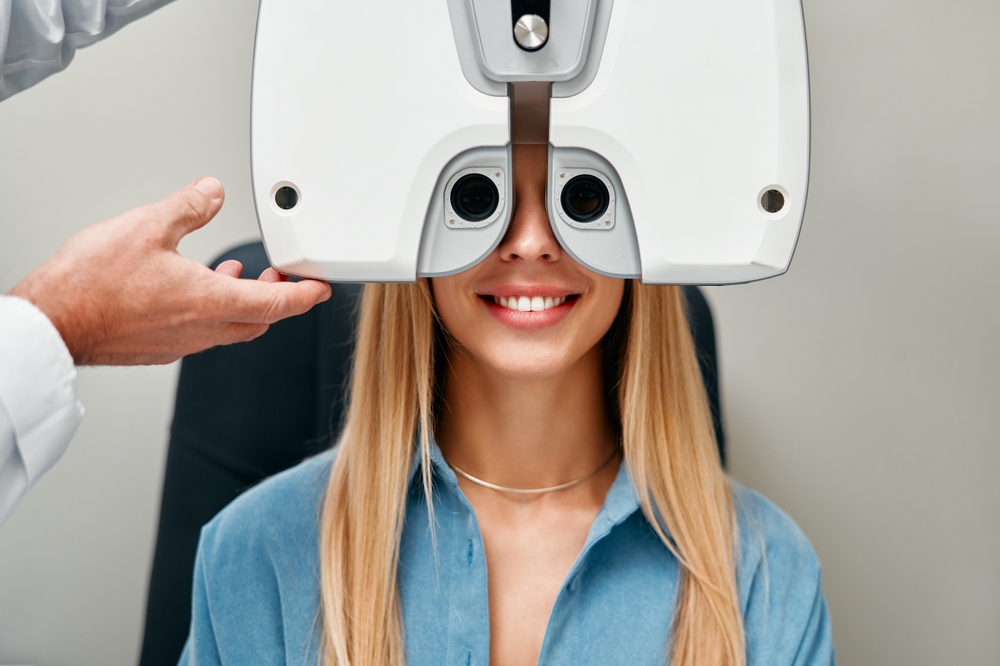
Your eyelid surgery experience begins with a thorough evaluation of your eye health, vision, and specific concerns. We examine your eyelid structure, muscle function, and how any abnormalities affect your vision or comfort. During this visit, we discuss your medical history, symptoms you’re experiencing, and your goals for treatment, whether functional, cosmetic, or both.
Creating Your Individualized Treatment Blueprint
Based on your examination results, we develop a surgical approach tailored to your condition and needs. We explain which techniques will address your specific issue, what you can expect during recovery, and the anticipated outcomes. Your treatment plan also includes information about anesthesia options, whether local or general, and any pre-operative preparations you’ll need to complete.
Surgical Correction and Technique Implementation
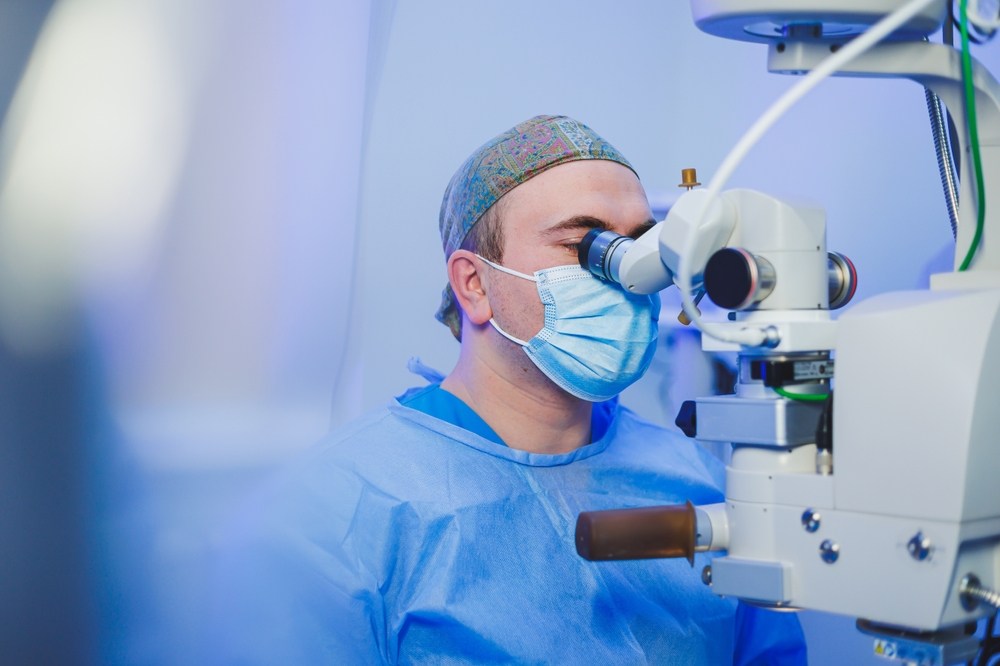
On the day of your procedure, we perform your eyelid surgery using precise techniques specific to your condition. For excess skin removal, we make carefully placed incisions in your natural eyelid creases to minimize visible scarring. For ptosis correction, we tighten the levator muscle to restore proper lid position. Depending on the complexity of your case, your surgery may take one to three hours, and most patients go home the same day.
Post-Operative Care and Healing Instructions
Following surgery, you’ll need to keep your eyes clean and protected while they heal. Apply cold compresses during the first few days to reduce swelling, use prescribed ointments or eye drops as directed, and sleep with your head elevated to minimize inflammation. Avoid strenuous activities, heavy lifting, and anything that increases blood pressure to your face for at least two weeks. We also recommend wearing sunglasses when outdoors to protect your healing tissues from sun exposure and wind.
Follow-Up Evaluations and Result Assessment
We schedule regular follow-up appointments to monitor your healing progress and ensure optimal results. During these visits, we check your incision sites, assess your eyelid function, and address any concerns you may have. Most patients see significant improvement within a few weeks, though complete healing and final results may take several months as swelling fully resolves and tissues settle into their new position.

Why Choose Us for Eyelid Surgery
At Pacific ClearVision Institute, our surgeons possess specialized training in both the medical and cosmetic aspects of eyelid surgery. We understand the delicate anatomy of the periorbital area and how to achieve results that look natural while restoring function. Our experience allows us to accurately diagnose the underlying cause of your eyelid concerns, whether it’s true eyelid excess, brow descent, or a combination of factors requiring different surgical approaches.
We take pride in our patient-centered approach that prioritizes your safety, comfort, and satisfaction. From your first consultation through your final follow-up appointment, we provide clear communication about every aspect of your care. Our surgical results reflect our commitment to precision and attention to detail, with most procedures offering permanent improvement and low rates of recurrence. We also work closely with your insurance provider when your condition qualifies as medically necessary, helping you navigate coverage requirements and authorization processes.
Improve Your Eye Function and Appearance Today!
Your eyelids play a vital role in both protecting your eyes and expressing your personality, and when they don’t function properly, every aspect of your life can be affected. Whether you’re struggling with obstructed vision, chronic eye irritation, or simply want to look more refreshed and alert, eyelid surgery offers a solution backed by proven results. The team at Pacific ClearVision Institute combines surgical expertise with compassionate care to help you achieve your goals. Stay informed about the latest advances in eyelid surgery by following us on social media. Schedule your personalized consultation by calling 541-343-5000 and discover how eyelid surgery can enhance your vision, comfort, and appearance.
FAQs
How to qualify for eyelid surgery?
You may qualify for eyelid surgery if you have excess eyelid skin, bags under your eyes, or drooping eyelids that affect your appearance or function. When drooping eyelids significantly obstruct your field of vision, the procedure may be considered medically necessary and covered by insurance. During your consultation, we’ll evaluate your eyelid structure, test your vision, and determine whether you’re a good candidate for surgical correction.
How long does it take to recover from eyelid surgery?
Most patients experience noticeable swelling and bruising for the first one to two weeks after eyelid surgery. You can typically return to work and light activities within seven to ten days, though you should avoid strenuous exercise for at least two weeks. Complete healing and final results usually become apparent within several months as residual swelling resolves and incision lines fade into the natural eyelid creases.
How long does eyelid surgery take?
The duration of your eyelid surgery depends on the complexity of your condition and whether we’re treating your upper lids, lower lids, or both. A straightforward upper eyelid blepharoplasty typically takes about one hour, while more complex procedures involving ptosis correction or lower lid work may require two to three hours. Most eyelid surgeries are performed on an outpatient basis, allowing you to return home the same day.
Is eyelid surgery painful?
During your eyelid surgery, you won’t feel pain because we use local anesthesia to completely numb the area, often combined with sedation to keep you comfortable and relaxed. After the procedure, most patients describe mild discomfort rather than severe pain, which can be managed effectively with over-the-counter or prescribed pain medication. Any significant discomfort typically subsides within the first few days as swelling decreases and your tissues begin to heal.
What not to do after eyelid surgery?
Avoid rubbing your eyes, wearing contact lenses, or applying makeup near your incision sites for at least two weeks following surgery. Don’t engage in strenuous activities, heavy lifting, bending over, or anything that raises your blood pressure, as these actions can increase swelling and bleeding. Also, refrain from smoking and alcohol consumption, as both can impair healing, and stay out of direct sunlight without proper eye protection to prevent irritation and protect your healing skin.