Cataract
When your vision starts to blur or colors seem less vibrant, cataracts might be affecting your daily life. At Pacific ClearVision Institute, our experienced ophthalmologists understand how frustrating cloudy vision can be and are here to help you see clearly again. We offer advanced cataract treatment options that can restore your vision and help you return to the activities you love, from reading and driving to enjoying time with family and friends.
Contact Us
Understanding Cataracts
Cataracts develop when the natural lens inside your eye becomes cloudy, much like looking through a foggy window. This clouding happens gradually as proteins in your lens break down and clump together over time. For most people, cataracts are a natural part of aging, though they can develop at different rates for different individuals.
While aging is the primary cause, other factors can contribute to cataract formation. Medical conditions like diabetes, previous eye injuries, long-term use of steroid medications, and extended exposure to sunlight can all accelerate cataract development. You might notice symptoms like blurry vision, increased sensitivity to light and glare, difficulty reading small print, or challenges with night driving. These changes often occur so slowly that many people don’t realize their vision has deteriorated until they compare it to how they used to see.
Customized Lens Solutions for Your Vision Goals
Light Adjustable Lens
The Light Adjustable Lens represents a revolutionary breakthrough in cataract treatment, offering you unprecedented control over your final vision. This first-of-its-kind adjustable lens uses unique macromer technology that allows us to customize your vision after surgery through a series of brief light treatments in our office. You’ll participate in “test drives” of your vision between adjustments, allowing you to experience different visual outcomes and collaborate with us to achieve your preferred result.
PanOptix® Tri-focal Premium Lens
The Envista Envy tri-focal lens is an exciting option for patients who want clear vision at multiple distances without relying on glasses. This advanced lens provides excellent distance, intermediate, and near vision simultaneously, allowing you to enjoy activities like driving, using a computer, and reading without constantly switching between different pairs of glasses. We’re proud to offer this innovative lens technology to our patients and can help you determine if it’s the right choice for your lifestyle and vision needs.
Crystalens® IOL
The Crystalens is a unique accommodating intraocular lens designed to move and flex inside your eye, similar to how your natural lens once worked. This movement helps provide a more natural range of vision compared to traditional fixed-focus lenses. Many patients who choose Crystalens experience improved vision at multiple distances, reducing their dependence on reading glasses for everyday tasks.
Correction for Astigmatism
Most patients have some amount of astigmatism in their cornea, wherein the cornea is shaped somewhat like a football more than a sphere. Historically, patients have astigmatism corrected by glasses or contacts. However, at the time of cataract surgery, astigmatism can be corrected by a special type of lens called a toric intraocular lens, or laser treatment of the cornea with a femtosecond laser. Depending on how much and the pattern of the astigmatism, your doctor will make a recommendation as to what is best for your eyes. By correcting astigmatism, we can achieve great distance vision or great near vision, but not both.

Medical problems such as diabetes, injury to the eye, medications like steroids, long-term exposure to sunlight and previous eye surgery can all contribute to the formation of cataracts, as well. Currently, there is only one real treatment for cataracts and that is to replace the clouded lens with a synthetic lens. Cataract surgery is performed millions of times each year and is one of the most common surgical procedures performed at Pacific ClearVision Institute. Until recently there were few options for those needing lens replacement surgery. Vision was fixed, for the most part, at either distance or close vision, and glasses needed to be worn for clarity at other distances.
Read More
Your primary eye care provider can assess the degree of your cataracts and help you determine if there are options available to you to improve your sight, or if a surgical option may need to be explored. Our doctors here will work closely with you and your primary eye care provider to help determine your visual goals and work out the best possible option of achieving those goals. The best option may be cataract surgery, and if that is the case, we will thoroughly explain the procedure and work with your schedule to find the easiest and most convenient time for you to begin the process of restoring your vision and visual goals.
At Pacific ClearVision we provide variable power and adjusting lenses which offer multiple focal lengths and more potential freedom from glasses to the cataract lens exchange patient.

Cataract Patient Video Featuring Dr. Eric Niespodzany

Patient Cataract Video Featuring Dr. Joseph Mando
Risks of Delaying Cataract Treatment
Cataracts don’t go away on their own, and waiting to treat them can affect more than your vision. Delaying care can raise your future costs, put your eye health at risk, and even make everyday activities less safe. Cataract surgery is one of the most performed procedures in the country, and treating cataracts sooner often makes the process easier for you. Here’s what waiting can cost you, and how proper care can help.
Waiting Can Cost You More
The longer a cataract goes untreated, the more it can affect your daily life and future costs. Some people put off surgery because they worry about the expense, but cataract surgery is a routine procedure, and many insurance plans help cover it. Pacific ClearVision Institute is in network with most insurances and offers financing through CareCredit and the Alphaeon Credit Card. Addressing a cataract earlier often keeps your costs more predictable.
“Nationally, vision loss and blindness cost an average of $16,838 annually per person affected.”
Centers for Disease Control and Prevention (CDC), Economic Studies, Vision and Eye Health
Your Vision Can Quietly Get Worse
Cataracts often develop slowly, so it’s easy to assume your vision is just changing with age. Left untreated, a cataract can eventually block enough light to cause serious vision loss. Pacific ClearVision Institute evaluates the severity of your cataract and helps you understand your treatment options before your vision declines further. Cataract surgery has a long track record of restoring clear vision when it’s needed.
Centers for Disease Control and Prevention (CDC), About Common Eye Disorders and Diseases, Vision and Eye Health
Blurry Vision Can Put You at Risk
Cataracts can make it harder to judge distance, see at night, or notice hazards underfoot. This can increase your risk of trips, falls, and other accidents as cataracts progress. Pacific ClearVision Institute uses advanced surgical technology, including ORA intraoperative aberrometry, to help restore your vision. Treating a cataract sooner can help you stay steady on your feet and safe in your daily activities.
“Vision impairment increases the risk of falls in older adults.”
Centers for Disease Control and Prevention (CDC), Vision and Eye Health
What Sets Our Approach to Cataract Treatment Apart
At Pacific ClearVision Institute, we combine cutting-edge technology with personalized care to deliver exceptional results for every patient. Our experienced ophthalmologists perform cataract surgery using the most advanced techniques available, including needle-free, stitch-free, and patch-free procedures that promote faster healing and better outcomes. We understand that choosing to have cataract surgery is a significant decision, and we’re committed to making your experience as comfortable and stress-free as possible.
What sets us apart is our dedication to offering the widest range of premium lens options, including the revolutionary Light Adjustable Lens and the advanced PanOptix tri-focal lens. We don’t believe in a one-size-fits-all approach to cataract treatment. Instead, we take the time to understand your individual vision needs, lifestyle requirements, and personal preferences to recommend the best solution for you. Our surgeons work closely with your primary eye care provider throughout the process, ensuring coordinated care and optimal results that help you achieve your visual goals.

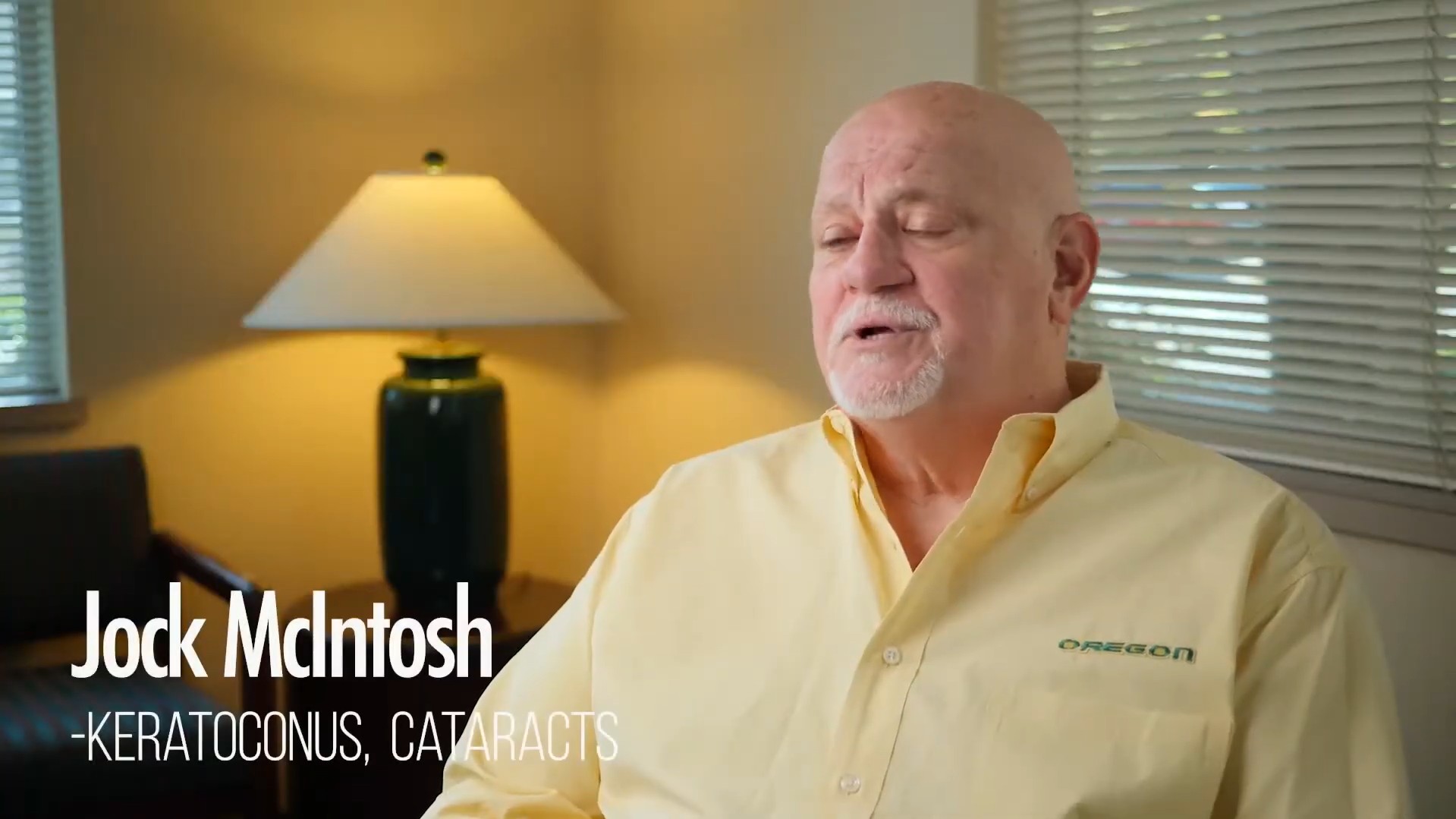
We’re Here to Help You See Clearly!
Don’t let cataracts keep you from enjoying life’s precious moments and the activities you love most. Clear, vibrant vision is within reach, and our team is ready to help you achieve the visual freedom you deserve. Whether you’re struggling with reading, driving at night, or simply want to see the world more clearly, modern cataract treatment can make a remarkable difference in your quality of life.
Your path to clearer, brighter vision starts with a simple phone call to Pacific ClearVision Institute. We’ll schedule a thorough consultation where you can ask questions, discuss your concerns, and learn about the lens options that can help you achieve your visual goals. Join our online communities at Facebook and Instagram to see real patient experiences and gain valuable insights about cataract treatment and recovery. Don’t wait any longer to reclaim the clear vision you deserve—contact us at 541-343-5000 today.
FAQs
What are cataracts?
Cataracts occur when the natural lens inside your eye becomes cloudy, blocking light from reaching the retina and causing blurred or dimmed vision. This clouding happens when proteins in the lens break down and cluster together, creating opaque areas that interfere with your sight. Most cataracts develop gradually as a normal part of aging, though they can also result from injury, certain medications, or medical conditions like diabetes.
What causes cataracts?
While aging is the most common cause of cataracts, several other factors can contribute to their development. Medical conditions such as diabetes, previous eye injuries, long-term use of steroid medications, and extended exposure to ultraviolet sunlight can all accelerate cataract formation. Smoking, excessive alcohol consumption, and a family history of cataracts may also increase your risk of developing this condition earlier in life.
How long does cataract surgery take?
The actual cataract surgery procedure typically takes only about 10 minutes to complete, though you should plan to be at our facility for approximately two hours for pre-operative preparation and post-operative monitoring. The surgery itself is performed using advanced microsurgical techniques with high-frequency ultrasound under local anesthetic, making it quick, safe, and virtually painless. Most patients are pleasantly surprised by how fast and comfortable the procedure is.
How long after cataract surgery can you bend over?
You can resume most normal activities, including bending over, within a day or two after your cataract surgery, though we recommend avoiding extreme bending or heavy lifting for the first week. It’s best to avoid bending at the waist with your head below your heart during the first few days to minimize pressure on your healing eye. Your surgeon will provide specific guidelines based on your individual healing progress, but most patients find these restrictions minimal and easy to follow.
Can cataracts come back?
Once a cataract is removed and replaced with an intraocular lens, the cataract itself cannot return because the natural lens has been permanently removed. However, some patients may develop a condition called posterior capsule opacification, where the membrane behind the artificial lens becomes cloudy, causing similar symptoms to a cataract. This condition is easily treated with a quick, painless laser procedure that clears the cloudy membrane and restores clear vision.